
What Sacramento Homeowners Should Expect During Landscape Installation
Learn what to expect during landscape installation Sacramento projects including planning, site preparation, planting, timelines, and maintenance tips for homeowners.
3/13/20267 min read
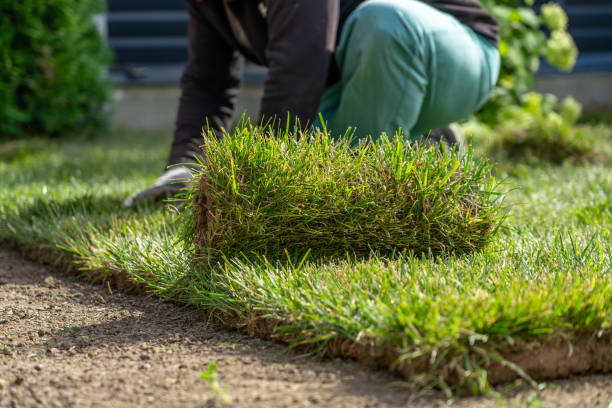
Designing and installing a new landscape can significantly transform the appearance and usability of a residential property. Homeowners in Sacramento often invest in landscape installation to improve outdoor functionality, enhance curb appeal, and create comfortable outdoor living spaces. A well planned outdoor environment can support relaxation areas, improve property structure, and create visually balanced outdoor zones.
Landscape installation Sacramento projects involve several structured phases that begin with planning and end with final inspection. Each stage ensures that outdoor features such as plants, patios, irrigation systems, and pathways are installed correctly and designed for long term performance. Proper planning and professional installation help ensure that outdoor spaces remain functional and visually appealing throughout the year.
Understanding the process helps homeowners prepare for timelines, design decisions, and installation activities. Many property owners begin planning by consulting a professional landscape company sacramento to evaluate their yard layout and explore design possibilities suited to the Sacramento climate.
Understanding the Landscape Installation Sacramento Process
Landscape installation Sacramento projects follow a systematic approach that transforms a design concept into a finished outdoor environment. Professional landscaping teams coordinate each step of the installation to ensure that soil preparation, planting, and structural features are completed properly.
Why Professional Landscape Installation Matters
Professional landscape installation plays an important role in ensuring that outdoor spaces are constructed with long term durability in mind. Landscaping projects require more than decorative elements. Soil preparation, drainage management, irrigation planning, and climate appropriate plant selection are all essential components.
Experienced landscapers evaluate property conditions and determine which landscaping features will perform best within the available space. Hardscape elements such as patios, walkways, garden edging, and outdoor seating areas must be installed with proper structural support.
Professional installation also helps reduce the risk of issues such as poor drainage, soil erosion, and plant stress caused by improper placement. When these technical details are managed by experienced professionals, the result is a landscape that remains attractive and functional for many years.
Benefits of Planning Your Outdoor Project in Advance
Planning ahead allows homeowners to clearly define their landscaping goals and ensure that the installation process runs smoothly. Early planning provides time to review design ideas, evaluate the property layout, and determine how outdoor areas will be used.
During the planning stage, landscaping professionals consider sunlight patterns, yard slope, soil conditions, and irrigation requirements. These factors influence plant placement, outdoor feature positioning, and overall design balance.
Proper planning also allows materials and plants to be scheduled efficiently so that installation work proceeds without unnecessary delays.
Initial Consultation and Project Planning
The landscape installation process typically begins with an initial consultation between homeowners and landscaping professionals. This meeting focuses on understanding property needs and developing a design strategy that aligns with the homeowner’s vision.
Evaluating Property Needs and Design Goals
During the consultation phase, landscaping specialists evaluate several aspects of the property. These include yard size, soil composition, drainage conditions, and existing outdoor structures.
Homeowners may have goals such as creating outdoor entertainment areas, improving garden spaces, adding pathways, or installing decorative landscape features. Identifying these objectives early allows the landscaping team to develop a practical design plan.
The evaluation process also helps determine which plants and landscape materials will perform well within Sacramento’s climate conditions.
Creating a Customized Landscape Plan for Your Home
After assessing the property and discussing goals, landscaping professionals develop a customized landscape plan. This design outlines plant placement, irrigation systems, hardscape elements, and overall layout.
Customized planning ensures that the landscape design complements the home’s architecture while making efficient use of available space. Design plans also include considerations for future plant growth and long term maintenance.
Homeowners often review detailed layouts and design concepts before installation begins. Many property owners explore professional Sacramento Landscaping services during this stage to better understand available design options and installation solutions.
Site Preparation Before Landscape Installation
Before planting and structural installation can begin, the property must be properly prepared. Site preparation is a critical stage that creates the foundation for successful landscaping.
Clearing the Area and Preparing the Soil
The first step in site preparation involves clearing the designated installation areas. Existing debris, unwanted vegetation, and obstacles are removed so that the soil can be prepared properly.
Soil preparation may include loosening compacted soil, adding organic material, and adjusting soil composition to support healthy plant growth. Proper soil preparation improves water absorption and root development.
This step ensures that plants receive the nutrients and growing conditions needed to thrive.
Grading, Drainage Planning, and Ground Preparation
Grading is an important step that helps create proper water flow across the property. Landscaping professionals adjust ground levels to ensure that water drains away from structures and planting areas.
Drainage planning helps prevent water accumulation that could damage plants or landscaping structures. In some cases, drainage systems may be installed to direct excess water away from the property.
Ground preparation may also include installing irrigation systems and underground utilities that support the overall landscape design.
Understanding the Project Timeline for Landscape Installation Sacramento
Many homeowners want to know how long a landscape installation project may take. While timelines vary depending on the scope of work, most residential landscaping projects follow predictable scheduling patterns.
Typical Duration of Residential Landscape Projects
Residential landscape installation Sacramento projects may take several days to several weeks depending on the size of the property and complexity of the design.
Projects that include extensive hardscape construction, irrigation systems, and multiple planting zones generally require longer installation periods. Simpler projects involving planting and smaller design adjustments may be completed more quickly.
Landscaping professionals typically provide a project timeline during the planning phase so homeowners can understand expected installation durations.
Factors That Can Affect the Installation Timeline
Several factors may influence how long landscape installation takes. Weather conditions can affect outdoor work schedules, especially during periods of heavy rain or extreme heat.
Material availability, design adjustments, and soil preparation requirements may also influence project timelines. Large scale landscaping projects that involve multiple construction phases may require additional scheduling coordination.
Clear communication between homeowners and landscaping teams helps ensure that installation work progresses efficiently.
The Planting Process and Hardscape Installation
After site preparation is complete, the next stage involves planting vegetation and installing structural landscape elements.
Selecting Plants Suitable for Sacramento’s Climate
Choosing plants that thrive in Sacramento’s climate is essential for long term landscape health. Landscaping professionals select plant species that are well suited to local temperatures, soil conditions, and water availability.
Climate appropriate plants require less maintenance and adapt more easily to seasonal changes. Plant selection also considers mature size, growth patterns, and visual balance within the landscape design.
Homeowners often review plant options during the design phase to ensure that the landscape reflects their aesthetic preferences.
Installing Walkways, Patios, and Landscape Features
Hardscape installation is another important component of landscape projects. Walkways, patios, seating areas, and decorative structures help define how outdoor spaces are used.
Professional installation ensures that these structures are level, stable, and integrated with surrounding landscaping elements. Proper foundation preparation helps ensure that hardscape features remain durable over time.
Homeowners interested in planning outdoor layouts often review design ideas related to landscape design sacramento ca services when considering structural features for their property.
Final Inspection and Project Completion
Once planting and installation work is complete, the landscaping team performs a final inspection to ensure that all elements meet design specifications.
Ensuring Proper Plant Placement and System Functionality
During the final inspection, landscaping professionals verify that plants are positioned correctly and that irrigation systems are functioning properly.
They also check soil stability, drainage flow, and structural installations to ensure that the entire landscape design performs as expected.
Any final adjustments are completed during this stage to ensure the project meets installation standards.
Reviewing the Completed Landscape Design
Homeowners are typically invited to review the completed landscape design with the installation team. This walkthrough allows them to understand how each element functions within the overall outdoor layout.
Landscaping professionals may also provide guidance on watering schedules, seasonal care, and long term maintenance practices.
Maintenance Tips After Landscape Installation
Proper maintenance plays a key role in protecting a newly installed landscape. After installation is completed, homeowners should follow basic care practices to support plant growth and landscape stability.
Watering, Mulching, and Seasonal Care
Watering is one of the most important aspects of landscape maintenance. Newly installed plants require consistent moisture while their root systems establish.
Mulching helps retain soil moisture and regulate soil temperature. It also helps reduce weed growth and protect plant roots.
Seasonal maintenance tasks may include pruning, fertilization, and irrigation adjustments to support plant health throughout the year.
Protecting Your Landscape Investment for Long-Term Results
Protecting a landscaping investment requires ongoing attention and proper care. Regular inspections help identify potential issues such as drainage concerns, plant stress, or irrigation problems.
Routine maintenance ensures that plants remain healthy and that landscape features continue functioning as intended. Well maintained landscapes maintain their appearance and performance for many years.
Conclusion
Landscape installation is a structured process that transforms an outdoor area into a functional and visually appealing environment. From consultation and planning to planting and final inspection, each phase plays a critical role in achieving a successful landscaping project.
Homeowners who understand the installation process can make informed decisions and prepare their property for outdoor improvements. Professional landscaping services help ensure that each stage of installation is handled efficiently and designed to suit Sacramento’s climate and property conditions.
If you are planning a landscaping project and would like professional guidance, you can contact experienced landscapers to discuss your outdoor design goals and begin planning your landscape installation.
FAQs
Q1. How long does landscape installation Sacramento typically take?
The timeline for landscape installation Sacramento projects depends on the size of the property and the complexity of the design. Small residential projects may take several days, while larger projects involving patios, irrigation systems, and multiple planting zones may take a few weeks to complete.
Q2. What should homeowners do before landscape installation begins?
Homeowners should discuss design goals, budget expectations, and desired landscape features during the planning stage. It is also helpful to review the property layout and ensure that installation areas are accessible for landscaping equipment and materials.
Q3. When is the best time of year for landscape installation in Sacramento?
Landscape installation can be performed throughout much of the year in Sacramento. However, many homeowners schedule projects during mild seasons when weather conditions are suitable for planting and outdoor construction.
Q4. Do landscaping professionals install irrigation systems during installation?
Yes, irrigation systems are often installed during the landscape installation process. Proper irrigation ensures that plants receive consistent watering and helps maintain the health of the landscape design.
Q5. How can homeowners maintain their landscape after installation?
After installation, homeowners should follow regular watering schedules, apply mulch to planting areas, and monitor plant health. Seasonal maintenance such as pruning and fertilization also helps protect the long term appearance and performance of the landscape.
Follow
Follow us for all the latest landscaping tips:
Contact
© 2025. All rights reserved.