
Professional Landscape Design Ideas for Small Sacramento Backyards
2/5/20265 min read
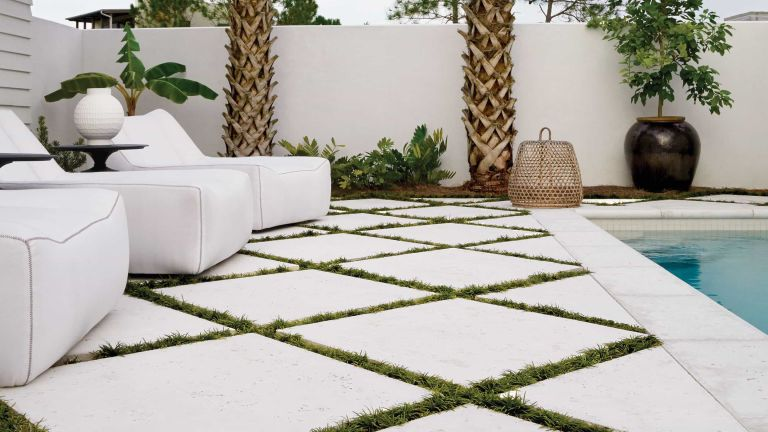
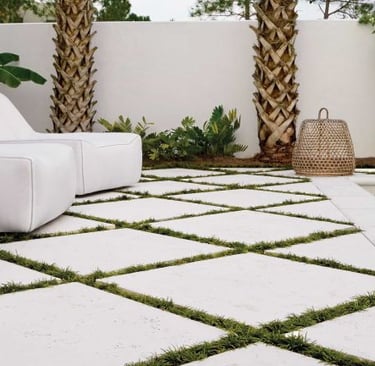
Landscape Design plays a meaningful role in shaping how limited outdoor spaces function and feel. Landscape Design influences how movement flows, how plants interact with built features, and how every square foot is used efficiently. In small residential yards across Sacramento, thoughtful planning helps homeowners balance comfort, usability, and environmental awareness without overwhelming the space. This article explores professional approaches that respond to spatial limits while supporting everyday outdoor use.
Small backyard landscaping Sacramento homeowners often face challenges related to lot size, sun exposure, and water efficiency. These factors require careful consideration from the earliest planning stages. Rather than focusing on decorative features alone, professional approaches prioritize structure, proportion, and long term adaptability. When each element has a clear purpose, even compact yards can feel open and functional.
The foundation of any successful small backyard project is understanding how space is currently used and how it can be improved. Circulation paths, seating areas, planting zones, and visual focal points must work together rather than compete. Informational guidance from a landscaping company sacramento can help clarify how design principles translate into practical outdoor solutions for limited spaces.
Layout Planning for Compact Outdoor Areas
Layout planning is central to making small backyards feel larger and more organized. In Sacramento neighborhoods, designers often begin by mapping out functional zones such as seating, planting, and circulation. Clear zoning reduces visual clutter and helps each area serve a specific role.
Straight lines and defined edges are commonly used to create a sense of order, while subtle curves can soften transitions between zones. In smaller yards, avoiding unnecessary pathways helps preserve usable space. Instead of multiple walkways, a single clear route often works best.
Vertical elements also contribute to effective layout planning. Trellises, raised planters, and layered planting beds draw the eye upward, reducing the emphasis on limited ground area. These strategies help balance proportions without adding congestion at ground level.
Professional layout planning also considers how the backyard connects to the house. Door placement, window views, and interior sightlines influence how outdoor areas are perceived. Aligning outdoor features with these visual axes can make the yard feel like a natural extension of the living space.
Space Saving Garden Ideas That Add Function
Space saving garden ideas focus on maximizing utility without crowding the yard. In small Sacramento backyards, multifunctional features are especially valuable. Built in seating that doubles as storage, raised beds that define boundaries, and compact planting areas all support efficient use of space.
Raised planters are particularly effective in small yards. They reduce bending for maintenance, improve drainage, and clearly separate planted areas from walking zones. When arranged thoughtfully, they can also guide movement and frame seating areas.
Another common strategy involves limiting the number of materials used. Too many textures or finishes can make a small space feel busy. Consistency in paving, edging, and planter materials helps maintain visual calm.
Examples of effective space saving strategies include:
Using corner areas for vertical planting
Incorporating narrow planting strips along fences
These approaches allow greenery to thrive without consuming valuable floor space.
As water efficiency becomes increasingly important, many small backyard projects also reduce traditional lawn areas. Educational resources on landscape design sacramento ca explain how alternative ground covers and planting layouts support both aesthetics and sustainability.
Plant Selection for Small Sacramento Backyards
Plant selection plays a defining role in the success of compact outdoor spaces. In Sacramento’s climate, plants must tolerate heat while remaining proportionate to the yard size. Large spreading species can quickly overwhelm small areas, making scale a key consideration.
Professionals often favor plants with controlled growth habits and year round visual interest. Evergreen shrubs, ornamental grasses, and drought tolerant perennials provide structure without constant maintenance. Layering plants by height creates depth and visual richness without overcrowding.
Color selection also matters. Limited color palettes help unify the space and prevent visual fragmentation. Repeating similar tones throughout the yard creates continuity and a sense of cohesion.
Seasonal variation is another important factor. Selecting plants that peak at different times of year ensures the yard remains visually engaging without requiring frequent replanting. This approach supports long term enjoyment while reducing upkeep demands.
Balancing Hard and Soft Elements
Small backyard landscaping Sacramento projects benefit from a careful balance between hard surfaces and planted areas. Too much hardscape can make a yard feel rigid, while excessive planting may limit functionality. Finding the right mix supports both movement and comfort.
Patios and paved areas are typically kept compact, sized just large enough for intended activities. Surrounding these areas with planting softens edges and integrates built features into the overall landscape.
Fences and boundary walls also influence the perception of space. Light colored finishes and simple designs help reduce visual weight. In some cases, planting along boundaries blurs edges and makes the yard feel more expansive.
This balance is especially important in urban settings where neighboring structures are close. Thoughtful placement of trees and shrubs can provide privacy without creating enclosure.
Practical Considerations for Long Term Use
Designing for long term use requires looking beyond initial appearance. Drainage, maintenance access, and material durability all affect how well a small backyard performs over time. Sacramento’s seasonal changes make these considerations especially relevant.
Permeable surfaces support water infiltration and reduce runoff, while properly graded planting beds help prevent water pooling. These practical details protect both plants and structures.
Lighting is another factor that enhances usability. Low level lighting along paths and seating areas extends the use of the yard into the evening without overwhelming the space. Fixtures are typically kept discreet to maintain a clean visual profile.
A structured planning process often follows these steps:
Assess existing conditions and limitations
Define primary uses for the space
Select materials and plants suited to scale and climate
Following this sequence helps ensure that design decisions remain aligned with both functional needs and site conditions.
Neighborhood Context and Design Adaptation
Sacramento neighborhoods vary widely in lot size, architectural style, and environmental conditions. Small backyard solutions must adapt to these differences rather than follow a single formula. Older neighborhoods may require sensitivity to existing trees and established structures, while newer developments often allow more flexibility.
Understanding neighborhood context helps guide decisions about materials, plant palettes, and layout styles. Designs that reflect local character tend to integrate more naturally and feel less imposed.
Community regulations and property boundaries also shape design possibilities. Awareness of these factors early in the planning process prevents later adjustments and supports smoother implementation.
Conclusion
Professional approaches to small backyard landscaping Sacramento projects emphasize clarity, proportion, and adaptability. By focusing on layout planning, space saving garden ideas, and thoughtful plant selection, compact outdoor areas can support daily use without feeling confined. Informational guidance on sacramento lawn replacement further illustrates how reducing turf and rethinking ground surfaces can enhance both sustainability and functionality in limited spaces.
Frequently Asked Questions
1. What is the first step in planning a small backyard?
Assess existing conditions including sunlight, drainage, and current use patterns before defining new functions.
2. How can a small backyard feel larger?
Using clear layout zones, vertical planting, and limited material palettes helps create a sense of openness.
3. Which plants work best in small Sacramento backyards?
Plants with controlled growth habits, drought tolerance, and year round structure are generally most effective.
4. Is lawn necessary in a small backyard?
Not always. Many small yards function better with reduced or replaced lawn areas that require less water and maintenance.
5. How important is lighting in compact landscapes?
Lighting improves safety, usability, and visual depth, especially in small spaces used during evening hours.
Follow
Follow us for all the latest landscaping tips:
Contact
© 2025. All rights reserved.