
Professional Hardscaping Designs Popular in Sacramento Neighborhoods
2/4/20265 min read
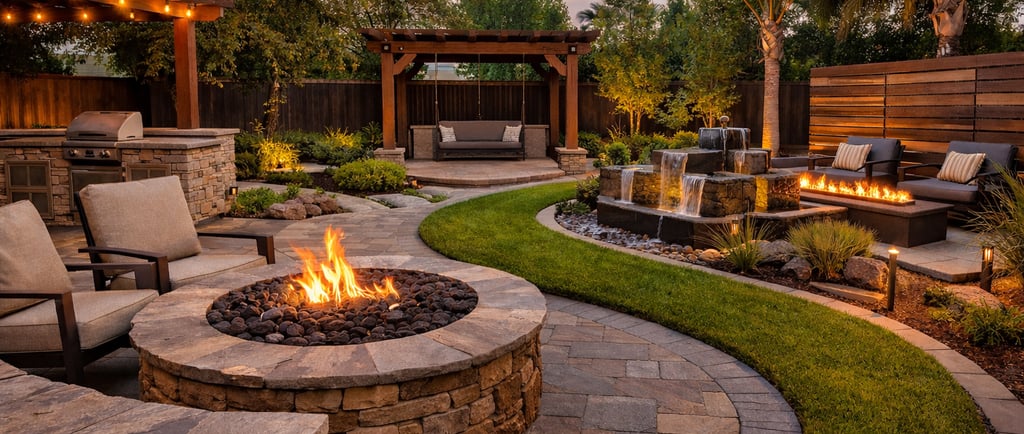
Hardscaping Designs play an important role in shaping outdoor environments across residential areas in Sacramento. Hardscaping Designs influence how outdoor spaces function, how they handle seasonal weather, and how they connect with surrounding architecture. In neighborhoods throughout the region, homeowners are paying closer attention to surface materials, layout planning, and structural elements that improve usability while remaining visually balanced. This discussion looks at how hardscaping Sacramento trends reflect local needs, climate conditions, and long term outdoor planning priorities.
Sacramento neighborhoods experience warm summers, periodic drought conditions, and a growing interest in low maintenance outdoor spaces. These factors have guided the evolution of hardscape design choices that favor durability, water efficiency, and flexible use. From established communities to newer developments, professional approaches focus on blending hard materials with natural surroundings without overwhelming the property.
One of the most widely discussed elements in this context is the integration of patios, walkways, and retaining structures into cohesive layouts. These features help manage space efficiently while supporting everyday activities such as walking paths, seating areas, and elevation control. The growing interest in professional planning has made Hardscaping Designs a central topic for property owners seeking long lasting outdoor improvements.
After understanding the foundational role of hardscape elements, it becomes easier to explore how design concepts are applied across different Sacramento neighborhoods. Resources that explain material choices and structural planning, such as detailed guides on Hardscaping Designs, help clarify how patios, walkways, and retaining walls are developed to meet local conditions.
Patio Design Approaches in Sacramento Settings
Patios remain a central feature in many Sacramento outdoor layouts due to their versatility and ability to create defined living areas. Professional patio design ideas often prioritize shade placement, surface temperature control, and compatibility with surrounding landscaping. Concrete pavers, natural stone, and textured finishes are frequently selected to reduce heat absorption while maintaining visual consistency with the home.
In older neighborhoods, patio layouts often adapt to limited yard space by using compact shapes and multifunctional zones. Newer developments tend to feature larger patios that support outdoor dining and social gathering. Across both settings, the emphasis is on surfaces that handle foot traffic and seasonal changes without frequent repairs.
Another key factor is how patios connect to the rest of the yard. Transitions between patios and garden areas are carefully planned to avoid abrupt changes in elevation or material. This thoughtful approach supports accessibility and long term durability while aligning with broader hardscaping Sacramento design standards.
As outdoor water use becomes a growing concern, patios are also integrated into broader strategies for reducing lawn coverage. Informational resources on lawn replacement sacramento explain how patios can complement alternative ground covers and reduce irrigation needs without sacrificing functionality.
Walkway Installation and Neighborhood Flow
Walkway installation plays a subtle yet essential role in residential hardscape planning. In Sacramento neighborhoods, walkways are designed to guide movement while reinforcing the overall layout of the property. Straight paths are often used for formal settings, while curved walkways create a softer visual flow in more natural landscapes.
Material selection for walkways considers slip resistance, drainage, and compatibility with surrounding features. Pavers and poured concrete are commonly used due to their adaptability and ease of maintenance. In areas with mature trees, walkway installation also accounts for root growth and soil movement to prevent cracking over time.
Walkways contribute to more than just movement. They define boundaries, protect planted areas from foot traffic, and enhance the visual structure of outdoor spaces. Professional planning ensures that paths align with entry points, patios, and elevation changes without disrupting the overall design balance.
The importance of walkway planning is often highlighted within broader discussions of landscape design sacramento ca, where hardscape and softscape elements are coordinated to create cohesive outdoor environments.
Retaining Walls and Elevation Management
Retaining walls address one of the most practical challenges in Sacramento landscapes, managing changes in elevation. These structures are common in neighborhoods with sloped lots or uneven terrain. Beyond their structural role, retaining walls contribute to visual organization and usable space creation.
Professionally planned retaining walls are designed with drainage systems that prevent water buildup and soil pressure. Materials such as concrete blocks, stone, and engineered masonry are selected based on load requirements and aesthetic goals. In residential settings, retaining walls often double as seating or garden borders, adding functional value without increasing clutter.
Design considerations include wall height, placement, and integration with adjacent features. Poorly planned walls can disrupt drainage patterns or dominate the yard visually. Well planned solutions support long term stability while blending into the surrounding environment.
Common reasons retaining walls are included in hardscaping Sacramento projects include:
Managing soil erosion and runoff
Creating level areas for patios and walkways
These functional benefits explain why retaining walls remain a consistent feature across many Sacramento neighborhoods.
Design Principles Shaping Local Hardscapes
Professional hardscape planning relies on clear design principles that guide material use and layout decisions. Sacramento neighborhoods reflect a balance between practicality and visual restraint. Designs often avoid excessive ornamentation in favor of clean lines and adaptable spaces.
Several principles commonly influence project planning:
Prioritizing drainage and water management
Selecting materials suited to local climate conditions
Ensuring accessibility and ease of movement
These considerations help ensure that hardscape features remain usable throughout the year and require minimal intervention.
Another important principle is continuity. Hardscape elements are planned as part of a unified system rather than isolated features. Patios connect logically to walkways, retaining walls support elevation changes, and surface materials remain consistent across the property.
Neighborhood Variations Across Sacramento
Different Sacramento neighborhoods display subtle variations in hardscape preferences. Historic areas often emphasize traditional materials and compact layouts that respect existing architecture. Suburban neighborhoods may feature broader patios and more expansive walkways to accommodate larger yards.
Despite these differences, the underlying goals remain similar. Homeowners seek outdoor spaces that support daily use, adapt to weather conditions, and align with long term maintenance expectations. This consistency explains why professional planning methods continue to shape hardscaping Sacramento projects across diverse communities.
Environmental awareness also influences design choices. Reduced lawn areas, permeable surfaces, and integrated drainage solutions reflect a broader understanding of sustainability. These approaches support water conservation while maintaining functional outdoor areas.
Long Term Planning and Maintenance Considerations
Hardscape elements are long term investments that require thoughtful planning beyond initial installation. Maintenance requirements vary by material, with some surfaces needing periodic sealing and others requiring minimal upkeep. Sacramento homeowners often prefer options that balance durability with ease of care.
Planning also accounts for future changes. Flexible layouts allow for adjustments as needs evolve, whether that involves adding seating, expanding walkways, or modifying garden areas. This forward looking approach reduces the likelihood of major revisions later.
Understanding how different features interact helps homeowners make informed decisions. Educational resources that outline planning strategies and material considerations support better outcomes and longer lasting results.
Conclusion
Professional hardscape planning continues to shape outdoor environments throughout Sacramento neighborhoods. By focusing on patios, walkways, and retaining walls as interconnected elements, property owners can create functional spaces that respond to climate conditions and lifestyle needs. Informational guidance on landscape design sacramento ca provides valuable context for understanding how hardscape features integrate with broader outdoor planning goals and support cohesive residential landscapes.
Frequently Asked Questions
1. What materials are commonly used in Sacramento hardscape projects?
Concrete pavers, natural stone, and engineered blocks are widely used due to their durability and adaptability to local climate conditions.
2. How does hardscaping support water conservation?
By reducing lawn areas and incorporating permeable surfaces, hardscape designs help limit irrigation needs and manage runoff efficiently.
3. Are retaining walls necessary for flat properties?
Not always. Retaining walls are primarily used for elevation changes, but they may also serve decorative or organizational purposes in flat landscapes.
4. How do walkways affect overall landscape layout?
Walkways guide movement, protect planted areas, and help define functional zones within the yard.
5. What should be considered when planning a patio?
Key factors include surface temperature, drainage, connection to other features, and long term maintenance requirements.
Follow
Follow us for all the latest landscaping tips:
Contact
© 2025. All rights reserved.