
How to Identify Sprinkler Problems and When to Call a Professional
Learn how to identify sprinkler problems, low pressure sprinklers, and irrigation leaks, and when to call sprinkler repair Sacramento professionals.
3/13/20266 min read
A properly functioning irrigation system is essential for maintaining healthy lawns, gardens, and landscapes. Sprinklers deliver water evenly across outdoor spaces and help plants receive the moisture they need to grow and thrive. However, like any mechanical system, irrigation equipment can develop issues over time. Problems such as uneven watering, pressure changes, or leaks in irrigation lines can reduce system efficiency and affect the health of landscaped areas.
Identifying sprinkler problems early can prevent larger irrigation failures and costly repairs. Many issues begin as small changes in water distribution or system performance. Homeowners who recognize these warning signs can take steps to address the problem before it impacts the entire landscape. For those experiencing system performance issues, scheduling professional sprinkler repair sacramento services can help restore irrigation efficiency and ensure that the system operates correctly.
Understanding how sprinkler systems function and knowing when professional help is necessary can help property owners maintain reliable watering coverage throughout the year.
Understanding the Importance of Timely Sprinkler Repair Sacramento
Sprinkler systems work through a network of pipes, valves, sprinkler heads, and controllers that distribute water across landscape areas. When these components function correctly, irrigation systems maintain consistent moisture levels in lawns and planting areas. Delays in addressing system issues can lead to water waste, plant stress, and uneven lawn growth.
Timely sprinkler repairs allow property owners to maintain landscape health while also preventing more complex irrigation system damage.
How Irrigation Systems Support Healthy Landscapes
Irrigation systems provide controlled watering for lawns, plants, shrubs, and trees. This controlled water distribution ensures that landscaping receives adequate moisture even during dry conditions. Consistent irrigation supports plant growth, improves soil hydration, and maintains overall landscape appearance.
A properly designed irrigation system sacramento ensures that water is delivered evenly across different areas of the property. Each sprinkler zone is calibrated to supply the correct amount of water based on plant type, soil condition, and sun exposure.
When sprinkler systems operate efficiently, landscapes remain healthy while reducing unnecessary water consumption.
Why Early Detection of Sprinkler Problems Matters
Early detection of sprinkler problems allows homeowners to address minor issues before they develop into major irrigation system failures. Small leaks, pressure imbalances, or clogged sprinkler heads may initially appear minor but can eventually disrupt the entire watering system.
Regularly observing sprinkler performance can help property owners notice unusual spray patterns, reduced coverage, or areas of excessive water accumulation. Identifying these signs early makes it easier for professionals to locate the cause of the issue and restore system performance.
Common Signs Your Irrigation System Needs Attention
Sprinkler systems often show clear warning signs when something is not functioning correctly. Paying attention to these indicators helps homeowners determine whether their irrigation system requires inspection or repair.
Uneven Watering Across Lawn and Garden Areas
One of the most common irrigation problems is uneven watering. Certain sections of the lawn may receive too much water while other areas remain dry. This issue can lead to inconsistent grass growth and stressed plants.
Uneven watering often occurs when sprinkler heads are misaligned, blocked, or damaged. Soil shifting, landscaping changes, or debris can also interfere with sprinkler spray patterns. If uneven watering continues despite adjustments, professional inspection may be required to evaluate system design and performance.
Low Pressure Sprinklers Affecting Coverage
Low pressure sprinklers can significantly reduce irrigation coverage. When water pressure drops below the required level, sprinkler heads may fail to rotate or spray water at the proper distance. This leads to inadequate watering across sections of the landscape.
Low pressure problems may be caused by clogged filters, valve malfunctions, pipe leaks, or pressure regulator issues. If sprinkler heads appear weak or fail to cover their designated areas, the irrigation system may require professional evaluation.
Visible Leaks in Irrigation Lines or Sprinkler Heads
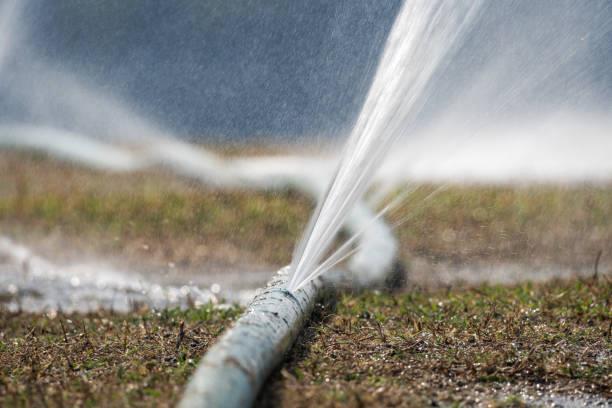
Leaks in irrigation systems are another common problem that requires attention. Water pooling around sprinkler heads, unusually wet patches in the lawn, or continuous dripping from sprinkler components can indicate a leak.
Leaks may occur due to cracked sprinkler heads, damaged underground pipes, or loose connections in irrigation fittings. Addressing leaks quickly prevents water waste and protects the surrounding landscape from excessive moisture buildup.
Professional Checklist for Diagnosing Sprinkler Issues
Professional irrigation technicians typically follow a detailed inspection process to diagnose sprinkler system problems. This systematic approach ensures that all components of the irrigation system are evaluated.
Inspecting Sprinkler Heads and Spray Patterns
Sprinkler heads play a critical role in distributing water evenly across the landscape. During inspections, technicians evaluate each sprinkler head to ensure it is functioning correctly.
They check for issues such as:
Broken or cracked sprinkler heads
Misaligned spray directions
Obstructed spray patterns
Clogged nozzles
Correcting these issues helps restore proper watering coverage and improves irrigation efficiency.
Checking Water Pressure and Flow Rates
Water pressure directly affects sprinkler performance. Irrigation professionals measure water pressure levels within each zone of the system to determine whether the system is operating within the recommended range.
Pressure testing helps identify:
Blockages within irrigation pipes
Valve malfunctions
Pressure regulator issues
Pipe damage affecting water flow
Proper water pressure ensures that sprinkler heads deliver water evenly across designated areas.
Identifying Leaks in Irrigation Pipes and Connections
Underground irrigation leaks can be difficult to detect without professional inspection equipment. Technicians examine the system for pressure drops, unusual soil moisture levels, and water accumulation.
Specialized tools may be used to locate hidden pipe leaks beneath lawns or landscaping. Identifying and repairing these leaks restores irrigation efficiency and prevents water loss.
Causes of Uneven Watering in Irrigation Systems
Uneven watering is one of the most frequently reported irrigation problems. Several factors can contribute to this issue, many of which require adjustments or repairs within the system.
Misaligned or Clogged Sprinkler Heads
Sprinkler heads may become misaligned due to soil movement, accidental contact, or landscaping changes. When sprinkler heads shift from their intended position, they may spray water in the wrong direction.
Clogged nozzles can also interfere with proper spray patterns. Dirt, grass clippings, and debris can accumulate in sprinkler openings and reduce water flow.
Cleaning and adjusting sprinkler heads helps restore balanced water distribution across the lawn and garden.
Pressure Imbalances Within the Irrigation System
Irrigation systems rely on balanced water pressure to deliver consistent coverage. If pressure levels vary between zones, certain areas may receive too much or too little water.
Pressure imbalances can result from valve problems, pipe restrictions, or incorrect system design. Professional technicians can evaluate the irrigation layout and adjust pressure levels to improve overall system performance.
Property owners seeking expert guidance for irrigation system maintenance may consider consulting Sacramento Landscaping professionals who specialize in landscape irrigation systems and outdoor property care.
When to Call a Professional for Sprinkler Repair Sacramento
Some irrigation problems can be identified through visual inspection, but more complex issues require professional diagnosis. Knowing when to contact a professional helps prevent further damage to the irrigation system.
Persistent Low Pressure Sprinklers or System Failure
If sprinkler heads consistently show weak spray patterns or fail to operate altogether, the system may have deeper mechanical issues. Problems involving valves, pressure regulators, or control systems often require professional repair.
Persistent pressure issues may also indicate hidden pipe damage or internal blockages that cannot be resolved through basic adjustments.
Underground Leaks in Irrigation Systems
Underground irrigation leaks can cause extensive water loss and damage to landscaping if left untreated. Because these leaks occur beneath the soil surface, locating them without specialized equipment can be difficult.
Professional irrigation technicians have the tools needed to detect underground leaks and repair damaged pipes efficiently. Addressing these issues promptly helps maintain irrigation system performance and protects landscape health.
Preventative Maintenance Tips for Irrigation Systems
Preventative maintenance plays an important role in keeping sprinkler systems functioning properly. Regular system checks can reduce the likelihood of unexpected irrigation problems.
Routine System Inspections and Seasonal Adjustments
Seasonal changes can affect irrigation system performance. Adjusting watering schedules and inspecting system components at the start of each season helps ensure that sprinklers operate efficiently.
Routine inspections should include checking sprinkler heads, monitoring spray coverage, and verifying that valves and controllers function properly.
Simple Homeowner Steps to Avoid Future Sprinkler Problems
Homeowners can take several steps to maintain their irrigation systems between professional service visits. These actions help prevent common sprinkler issues and extend the lifespan of system components.
Recommended maintenance practices include:
Removing debris around sprinkler heads
Monitoring water pressure levels
Adjusting sprinkler spray patterns when necessary
Observing the system during watering cycles
These simple steps allow homeowners to identify early warning signs of irrigation problems before they escalate.
Conclusion
Sprinkler systems play an essential role in maintaining healthy lawns and landscapes. When irrigation equipment begins to show signs of malfunction, early identification and prompt repairs help prevent water waste and landscape damage. Problems such as uneven watering, low pressure sprinklers, and leaks in irrigation lines should be addressed quickly to maintain system efficiency.
Professional inspections allow technicians to diagnose irrigation problems accurately and recommend appropriate repairs. Regular maintenance, seasonal adjustments, and routine system checks also help ensure long term sprinkler performance.
Property owners who notice persistent irrigation issues can contact local professionals for expert evaluation and sprinkler repair services.
FAQs
Q1. What are the most common sprinkler system problems?
Common sprinkler issues include clogged sprinkler heads, low water pressure, broken spray nozzles, leaks in irrigation lines, and uneven watering across lawn areas. These problems can reduce irrigation efficiency and require inspection.
Q2. How can I tell if my sprinkler system has a leak?
Signs of irrigation leaks include water pooling around sprinkler heads, soggy patches in the lawn, and a sudden increase in water usage. Visible dripping from sprinkler components may also indicate a leak.
Q3. Why do some areas of my lawn receive more water than others?
Uneven watering can occur when sprinkler heads are misaligned, blocked by debris, or affected by water pressure issues. Adjusting sprinkler positions or cleaning clogged nozzles may help resolve the issue.
Q4. How often should a sprinkler system be inspected?
Most irrigation systems benefit from professional inspections at least once or twice per year. Seasonal inspections ensure that sprinkler components function properly and watering schedules remain appropriate.
Q5. Can low water pressure damage a sprinkler system?
Low water pressure can reduce sprinkler coverage and prevent heads from operating correctly. Persistent pressure issues may lead to uneven watering and should be evaluated by irrigation professionals.
Follow
Follow us for all the latest landscaping tips:
Contact
© 2025. All rights reserved.