
How Sacramento Homeowners Maintain Healthy Lawns Year Round
12/17/20255 min read
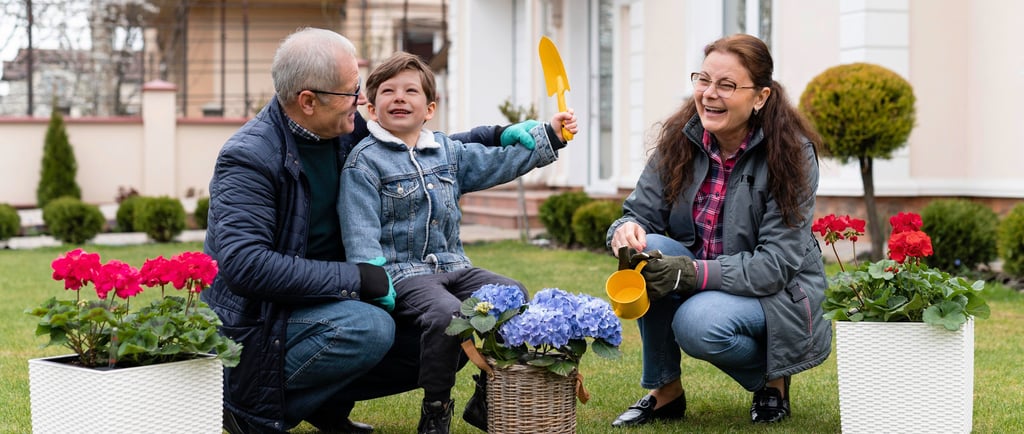

Maintaining Healthy Lawns in Sacramento requires intentional care, seasonal planning and consistent upkeep. In this introduction, the focus keyword Healthy Lawns appears several times because Sacramento homeowners understand that achieving and preserving Healthy Lawns is not a one-time task. Instead, Healthy Lawns depend on coordinated watering, soil care, seasonal adjustments and grass maintenance. Since Sacramento experiences hot summers, cool winters and limited rainfall, residents must use strategies designed for the region if they want to keep Healthy Lawns that stay green, resilient and healthy through the entire year.
This guide explores how local homeowners manage lawn care Sacramento, including a seasonal lawn schedule, grass maintenance routines and lawn watering tips suited to the city’s climate. Whether a homeowner maintains their yard themselves or uses a trusted lawn service Sacramento, the core principles remain similar. A well-planned approach helps ensure the yard stays strong, improves curb appeal and avoids stress caused by heat, drought or improper watering.
Understanding Sacramento’s Climate Before Planning Lawn Care
One of the main factors influencing lawn health is Sacramento’s climate pattern. The region experiences hot, dry summers that can stress grass quickly. Winters are mild, but occasional frost can still affect growth. Rainfall is scattered and inconsistent, which means most lawns depend heavily on irrigation.
These conditions mean homeowners must plan lawn care that supports long-term resilience. The ability to maintain Healthy Lawns year-round comes from recognizing the relationship between seasonal weather patterns and grass performance.
Key climate factors to consider:
High summer temperatures
Extended dry periods
Cool but manageable winters
Soil variations from neighborhood to neighborhood
Understanding these regional factors helps create an effective lawn care Sacramento approach that aligns with natural growth cycles.
Choosing the Right Grass Type for Sacramento Yards
Grass variety plays a critical role in long-term lawn health. Some types perform better in the Sacramento Valley due to drought tolerance and resilience to heat.
Common grass types used locally:
Tall fescue
Bermuda
Augustine
Kentucky bluegrass in cooler shaded areas
Homeowners planning new lawn areas often consider sod installation Sacramento, especially when they want immediate soil coverage and a quicker establishment process. The choice of sod or seed depends on the homeowner’s timeline and the desired grass type.
Building a Seasonal Lawn Schedule
A structured seasonal lawn schedule allows homeowners to anticipate what their lawn needs throughout the year rather than reacting to issues as they appear. Sacramento’s climate encourages a four-season strategy.
Spring Lawn Care Tasks
Spring is the time for renewal and preparation. As temperatures rise and the soil warms, this is the season when grass begins active growth.
Spring priorities:
Aerate compacted soil
Apply balanced fertilizer
Reseed thin patches
Begin consistent mowing
Inspect irrigation systems
Add mulch to surrounding beds to reduce evaporation
Aeration is especially helpful because Sacramento soil can become compacted during wet winters. This process allows roots to breathe and increases water absorption.
Summer Lawn Care Tasks
Summer brings the highest temperatures of the year, which is when Healthy Lawns require careful monitoring. Grass experiences stress quickly if watering is inconsistent or if mowing practices cause unnecessary strain.
Summer priorities:
Increase watering frequency
Mow at a higher blade setting
Watch for signs of heat stress
Limit heavy fertilization
Remove weeds before they spread
Grass maintenance during summer focuses on avoiding stress. Mowing too short exposes the grass to direct sunlight and weakens root strength. Watering deeply but not excessively helps roots grow deeper and remain resilient.
This is also the time when homeowners often rely on yard maintenance Sacramento services if they need additional help managing growth during peak season.
Fall Lawn Care Tasks
Fall is one of the most important seasons for lawn recovery. After months of heat, grass needs nutrients and attention to rebuild strength before winter.
Fall priorities:
Apply fall fertilizer
Overseed areas that struggled in summer
Continue mowing regularly
Adjust watering based on temperature changes
Remove fallen leaves to prevent mold
Fall preparation significantly influences the health of the lawn going into winter.
Winter Lawn Care Tasks
Winter brings shorter days and slower growth, but that does not mean the lawn should be ignored. Proper winter care supports quicker spring recovery.
Winter priorities:
Reduce watering
Limit foot traffic on dormant grass
Clear debris after storms
Monitor for fungal issues during wet periods
With a lighter touch, winter care ensures the lawn remains stable and protected until warmer weather returns.
Lawn Watering Tips for Sacramento Homeowners
Watering is one of the most crucial elements of maintaining Healthy Lawns. Sacramento’s dry periods mean lawns must receive the right amount of water at the right time.
Key watering recommendations:
Water early in the morning to reduce evaporation
Water deeply and less frequently
Adjust schedules for seasonal temperature changes
Check soil moisture before irrigating
Use efficient irrigation systems
Most homeowners irrigate two to three times per week in summer, depending on the grass variety and soil composition. In spring and fall, watering needs decrease substantially.
Soil Health and Nutrition for Long-Lasting Lawns
Healthy soil builds a stronger foundation for grass. Sacramento soil varies across neighborhoods, with some areas having compacted clay and others containing sandy patches. Soil testing helps identify nutrient deficiencies.
Soil improvement strategies:
Add compost during spring and fall
Use fertilizers carefully to avoid overapplication
Introduce organic matter for long-term balance
Avoid excessive nitrogen during extreme heat
A healthy soil base improves water retention, root strength and overall lawn resilience.
Mowing Techniques That Support Lawn Health
Mowing is more than trimming grass to a certain height. Technique influences root development, soil temperature and lawn density.
Mowing guidelines:
Keep mower blades sharp
Avoid cutting more than one-third of the grass blade at a time
Mow higher in summer for shade coverage
Mow lower in spring to remove old growth
Change mowing direction to reduce soil compaction
Correct mowing helps maintain Healthy Lawns without added stress.
Lawn Repair and Troubleshooting Common Issues
Even well-maintained lawns experience problems. Sacramento homeowners encounter issues such as brown patches, drought stress, uneven watering patterns or soil compaction.
Repair strategies:
Identify the root cause rather than treating the symptom
Reseed affected patches in spring or fall
Improve irrigation coverage for even watering
Address soil compaction with aeration
Remove weeds regularly before they spread
When issues become persistent or difficult to diagnose, many homeowners schedule lawn service Sacramento support to correct the problem.
Integrating Lawn Care With Complete Yard Maintenance
Lawn care is most effective when it is part of a broader yard-maintenance plan. A healthy lawn depends on well-maintained trees, clean garden beds, proper watering and healthy surrounding plants.
Comprehensive yard management typically includes:
Pruning trees
Maintaining shrubs
Mulching garden beds
Cleaning walkways
Managing irrigation zones
This integrated approach ensures the entire outdoor space remains balanced. This is why services like yard maintenance Sacramento are often used by residents who want coordinated care throughout the property.
Adding or Replacing Lawn Areas With Sod
For homeowners starting a new lawn or renovating damaged turf, sod is a reliable option. Sod installation Sacramento provides immediate coverage that reduces erosion, limits weed growth and offers quicker establishment than seeding.
Sod is especially useful for homeowners who want:
A fresh lawn before the summer season
A clean and uniform appearance
A faster solution to bare soil areas
Once installed, sod still requires consistent watering and seasonal care to root deeply and remain healthy.
Final Thoughts
Maintaining Healthy Lawns in Sacramento requires a combination of regional knowledge, seasonal planning and consistent care. By understanding climate factors, choosing the right grass type, applying a seasonal lawn schedule and using efficient watering strategies, homeowners can build lawns that stay attractive year-round.
Whether using personal routines or seeking help from lawn care professionals, Sacramento homeowners benefit from practices that support long-term grass health rather than short-term fixes. This regional approach ensures that yards remain green, resilient and enjoyable through every season.
Frequently Asked Questions
1.How often should I water my lawn in Sacramento?
Watering frequency depends on the season. In summer, deep watering two to three times per week may be needed. In spring and fall, watering requirements drop significantly.
2.What grass type works best for Sacramento weather?
Tall fescue and Bermuda are common choices because they withstand heat and drought well. Shaded areas may benefit from alternative varieties.
3.When should I fertilize my lawn?
Spring and fall are the main fertilizing seasons. Summer fertilization should be limited to avoid stressing the lawn during high temperatures.
4.How do I fix brown patches in my lawn?
Identify the cause first. Brown patches may result from heat stress, watering issues, pests or soil compaction. Treatment depends on the specific issue.
5.Is aeration necessary every year?
Aeration is helpful for compacted soil, especially in high-traffic areas. Many Sacramento lawns benefit from aeration once a year, typically in spring or fall.
Follow
Follow us for all the latest landscaping tips:
Contact
© 2025. All rights reserved.